LS5663 Module #1 (2/3)
Bibliography:
Hopkins, Lee Bennett, et al. Amazing Faces. Lee & Low Books, 2010. ISBN 978-1-60060-334-1
Summary:
Lee Bennett Hopkins creates an anthology of poems that are rich in diversity. Amazing Faces is a collection of 16 poems that celebrate differences and highlight connections. Authors such as, Pat Mora and Nikki Grimes will be familiar to the intended audience. The rich watercolor illustrations add to the beauty of the book. Each picture is a window into a different world and yet the faces highlight shared emotions and experiences. This is a book that can be enjoyed by so many over and over again.
Analysis:
At first glance, the title of the book fits perfectly with the cover art. It is filled with amazing faces. Each face with a very unique ethnicity all share the same smiling joy. There are two American flags on the cover so the reader can infer they are at a parade or celebration of some kind.
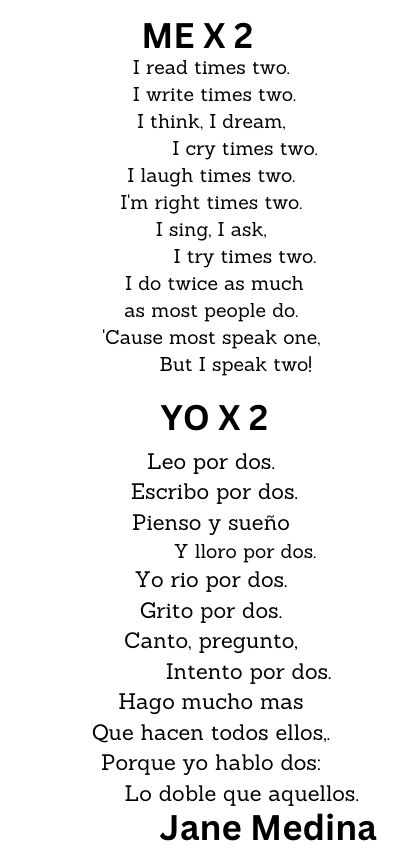
The book is filled with 16 poems each by a different author. Each author has their own two page layout with their poem and an accompanying illustration. The poems range in length and style. One poem is repeated in spanish. The poems reflect very diverse realities. The settings range from Chinatown to the desert and so many places in between. And although the faces and places are so diverse, the poems reflect a shared experience. There are so few books that can be a mirror as well as a window for readers and I think this collection does a beautiful job at filling both roles.
I was struck by the connections in the book. Joseph Bruchac writes Aunt Molly Sky, and says of his Native American protagonist; “The lines in her face are not from worries. Like small streams running to the sea they flow with laughter and memories of how things were and still might be.” Another poet, J.Patrick Lewis writes Abuela and says; “Her face, a lacework of courage; her brow, brown as settled earth.” Two very different realities and illustrations but both honoring elders.
On a personal note, I was very moved by the poem Me X 2. In the poem Jane Medina lists everything she can do times two because she speaks two languages. The poem is repeated in spanish. Spanish was the first language for both my mom and dad. They both had such bad memories of the way they were treated by their community they refused to teach us. They insisted their children only spoke English. Of course as an adult I am so sad I wasn’t immersed in the language growing up. But I am more heartbroken that my parents never felt the pride they should have for being bilingual. The little girl in the poem is shown with her chin up in confidence while she looks at a menu written in two languages. It makes me feel hopeful that the shame my parents experienced ended with that generation.
Activities:
After the class is familiar with the collection, read it through with the purpose of listing emotions. Chart words that the students felt while listening to each poem. The words can include how the characters in the illustrations are feeling. The class chart should have words listed such as; joy, comfort, pride, excitement, contentment, happiness. When a poem creates an emotion already listed underline or circle the same word. Look for connections.
 Li-Berry-ian